
If you watch HGTV, you know that one feature that excites people shopping for a new home is natural light. Everyone seems to gravitate toward homes with open spaces and plenty of light. This means buying a home with lots of windows.
In the days before central heating and air conditioning, people designed houses with windows strategically sized and placed to help manage temperatures inside the home. These days, with central heating and air conditioning, contemporary homes can comfortably feature many large windows and glass doors to maximize the light entering the home. All this extra glass adds vulnerability, though, so you’ll need to consider ways to improve window security at your home.
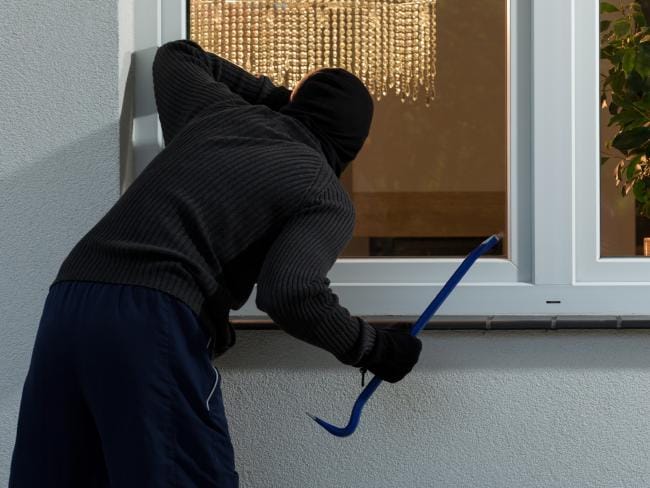
The National Council for Home Safety and Security reports that 25% of burglaries involve forced entry through windows. So, it’s not enough to have solid doors with good locks, you must secure your windows, too. That includes second-story windows, as well. Because, while only 2% of burglars enter through the second floor, why risk it happening to you?
While it is true that 60% of burglars say they won’t break into a home with a security system, there is clearly still a sizeable percentage who will consider it. And, in fact, a remarkable 13% say they would definitely continue to enter a home despite discovering an alarm system. So, set your alarm, for sure. But also, be vigilant about securing all doors and windows.
Most windows do not have locks, and if they do, they are not very effective against force. So, it is a good idea to install additional locks on all windows. Window locks won’t stop burglars who are willing to break the glass, but they will prevent people from easily opening the window. Why make it easy for them? Remember, burglars are in a hurry. They want to cause as little commotion as possible, so many will stop short of breaking the glass. There are many types of window locks, depending upon the types of windows in your home. Here are some suggestions for increasing the security of different window types:
Double-Hung Windows. Double-hung (or sash) windows work well with pin locks. These are similar to the chain locks people put on doors so they will only open a small amount. A pin on a chain is attached to the frame around the window, and a hole is drilled into the window itself. When you insert the pin at the end of the chain into the hole, the window won’t move. There are also keyed window latches that can replace the standard latch found on double-hung windows that lock the top and bottom windows together. Other options include window wedges, and vent locks.
Sliding Windows. Sliding windows also work well with pin locks. Another low-cost solution for sliding windows (and doors) involves placing a bar inside the bottom track. You can even cut a broom handle to size and use that. Of course, the bar needs to be long enough to stop the window or door from sliding open enough to allow a hand to reach inside. For a more professional approach, look into restrictor cables, window clips for tracks, and foot latches. Though really marketed for sliding doors, foot latches can be installed on windows as well, and some foot latches come with keys.
Casement Windows. Because of their design, casement windows are already more tamper-resistant than the other two types. However, you can still take measures to boost security. For example, casement window chains will stop someone from reaching in to open the window all the way. Cable restrictors also work on these windows.
Locks With Keys. There is an advantage to adding the key-operated locking feature to your windows. With these locks, if a burglar breaks the glass, he cannot just reach in and turn the latch to open the window. In order to get in through the window, he’d actually have to clear away all the jagged glass inside the frame, and that would take more time than he is generally willing to spend.
In addition to good window locks, a special PVB film can help improve window security. This is a clear, very strong material. When it is installed properly, you won’t see it, but it provides a powerful deterrent against intruders. If someone does try to get into your home by breaking a window, the glass will crack, but the security film will hold.
A burglar would then not only need to remove the broken glass, but also use a knife to cut through the film. This adds another step to a process that the burglar wants to keep as short and easy as possible. If you are considering replacing your home’s windows, you can purchase windows with laminated glass. These windows already have security film sandwiched between two panes of glass. Other options include tempered glass, which can be up to seven times stronger than ordinary glass, Plexiglas which is 17 times stronger, and polycarbonate, which is even 30 times stronger than Plexiglas.
There are various types of window alarms on the market. Some you can even install yourself. There are a variety of available features, but they will all sound loud alarms when windows or doors are opened. Some will also respond to breaking glass. Depending on how much you want to spend, these can either be unmonitored or monitored devices. Monitored alarms require a monthly fee. Any alarm you choose, coupled with the other security measures, should create enough of a delay and disturbance to discourage anyone from continuing to try to enter your home.
This is not an exhaustive discussion of how to improve window security at your home. But, it gives you some ideas you may not have considered. Look into them more closely before deciding which options work best for your home and lifestyle. If you are not sure, your local neighborhood locksmith will be able to guide you in the right direction. While you are working on your window security, consider also replacing the locks on all exterior doors with high-security locks. Then, both your windows and doors will be in the best possible position to help deter burglars. For now, stay safe!